RV electrical fires cause millions of dollars in damage nationally every year, and almost all of them are preventable. On the Treasure Coast, where campground power varies in quality, summer storms bring power surges, and salt air corrodes every exposed connection, electrical safety isn't something you can set and forget. After 13 years of tracing electrical faults across St. Lucie, Martin, and Indian River counties, Danny Vasquez has seen every type of failure. Here's the safety checklist that prevents the dangerous ones.
TL;DR
- Inspect your shore power cord before every hookup
- Install a surge protector ($250 prevents $2,000+ in damage)
- Check battery terminals for corrosion every 3 months
- Test GFCI outlets monthly
- Never overload a 30-amp circuit with multiple high-draw appliances
- Get a professional electrical inspection annually
- Call 772-677-1583 for an electrical safety check
Shore Power Cord Inspection
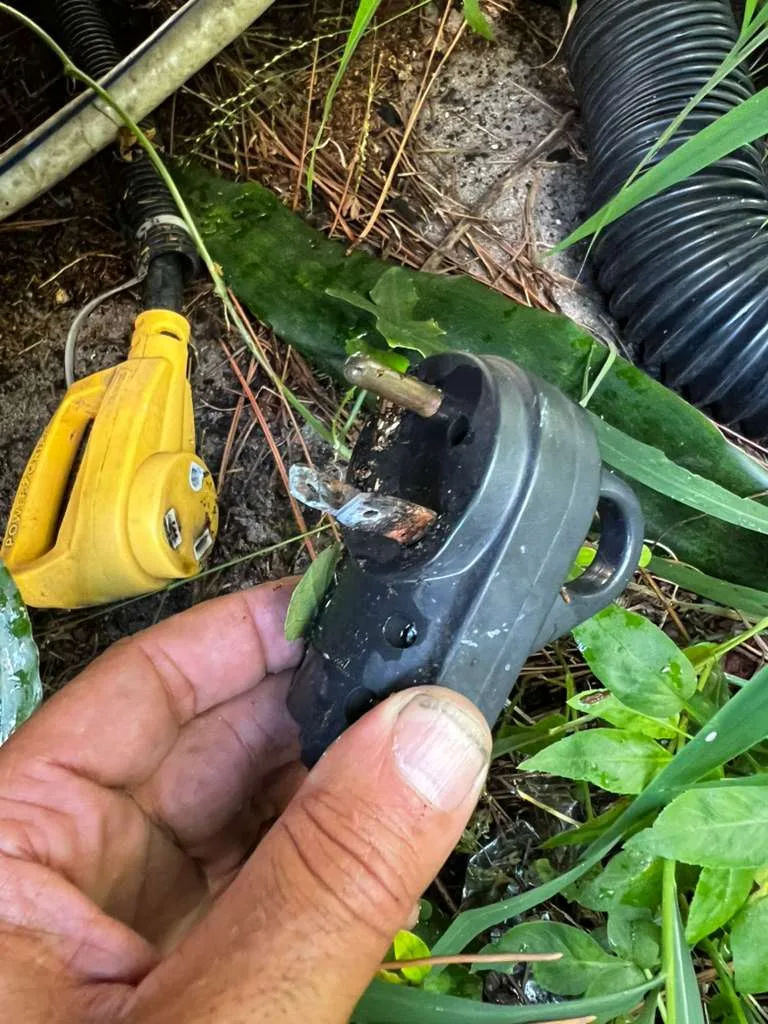
Before every hookup, check your shore power cord from end to end. Look for melted prongs (the #1 fire risk we see), cracked or brittle insulation, exposed copper wire, burn marks or discoloration, and any deformation of the plug or inlet. A damaged shore power cord creates electrical resistance at the connection point, which generates heat. That heat melts the plug, which creates more resistance, which generates more heat. It's a feedback loop that ends in fire. We've responded to rigs at Treasure Coast campgrounds where the shore power inlet melted through the exterior wall because a worn cord prong made intermittent contact for weeks before finally arcing. Per NEC Article 551.46, the attachment plug cap and connector body must be listed for the voltage and amperage. A new 30-amp cord costs $50 to $100. A 50-amp cord costs $80 to $150. This is not the place to save money. Replace any cord that shows damage.
Surge Protection Is Not Optional
The Treasure Coast gets approximately 80 to 100 thunderstorm days per year. Each storm can produce power surges on the electrical grid that propagate through campground pedestals and into your RV. A single surge can destroy your converter ($350 to $800 to replace), your refrigerator control board ($200 to $450), your AC thermostat ($95 to $250), and any other sensitive electronics. A portable surge protector like the Progressive Industries EMS-PT30X ($250 to $300) or the hardwired EMS-HW30C ($350 to $450 installed) monitors incoming voltage continuously and disconnects your RV if the power goes out of spec. It protects against surges, low voltage (below 102V, which can damage AC compressors), high voltage (above 132V), open ground, open neutral, and reverse polarity. We've installed hundreds of these across the Treasure Coast. The most common feedback: I wish I'd gotten it sooner. Many customers come to us after a $1,200 converter replacement that a $250 protector would have prevented.
Battery Terminal Maintenance
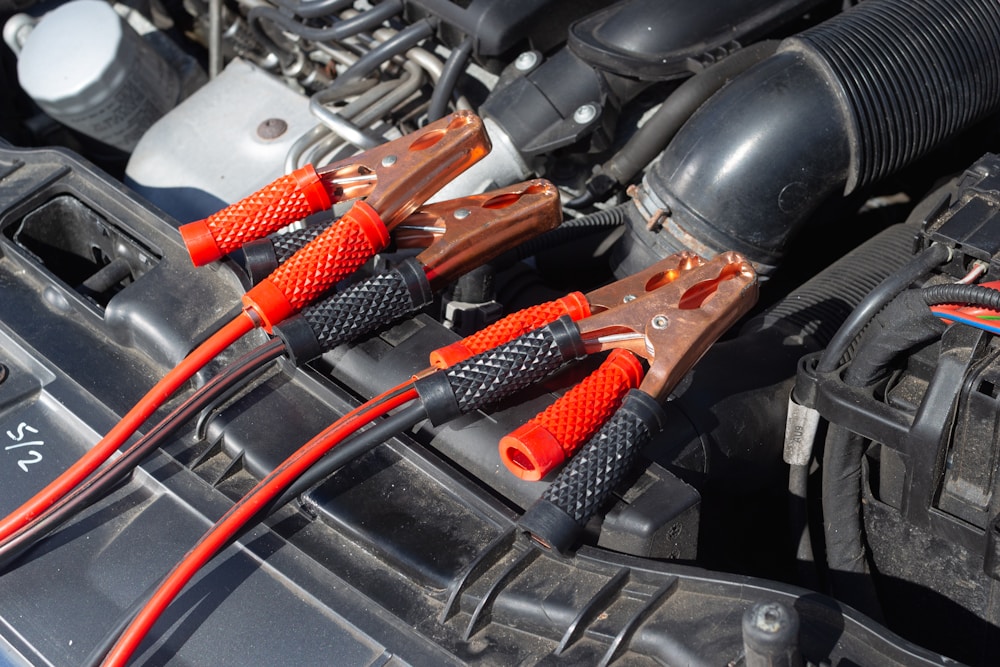
The Treasure Coast's coastal humidity accelerates corrosion on battery terminals significantly compared to inland locations. Salt air creates a conductive film on metal surfaces that promotes galvanic corrosion between the dissimilar metals of the terminal (lead) and the cable connector (copper/tin). This corrosion creates resistance, which reduces charging efficiency, generates heat at the connection, and can eventually cause a complete loss of the 12V system. Check your battery terminals every 3 months. Disconnect the cables (negative first, always), clean the terminals and connectors with a paste of baking soda and water, dry thoroughly, and apply a thin coat of dielectric grease or battery terminal protector spray. This 15-minute task prevents a cascading chain of 12V problems that can be difficult to diagnose once they start. If you see green, white, or blue fuzzy buildup on your terminals, it's overdue.
GFCI Testing Protocol
Your RV should have GFCI-protected outlets in the bathroom, kitchen, and all exterior locations. Per NEC Article 551.41, these outlets protect against electrical shock in wet areas, which is especially important in Florida where water and electricity are frequently in close proximity. Test every GFCI outlet monthly by pressing the TEST button. The outlet should immediately cut power, and your test device (or a lamp plugged into it) should go dead. Press RESET to restore power. If the GFCI doesn't trip when you press TEST, it's not protecting you. Replace it immediately. We see failed GFCIs more often than most people expect, particularly in RVs that are 5+ years old. The trip mechanism can degrade from humidity, power surges, and simple age. Replacement is about $50 to $100 installed.
Know Your Circuit Limits
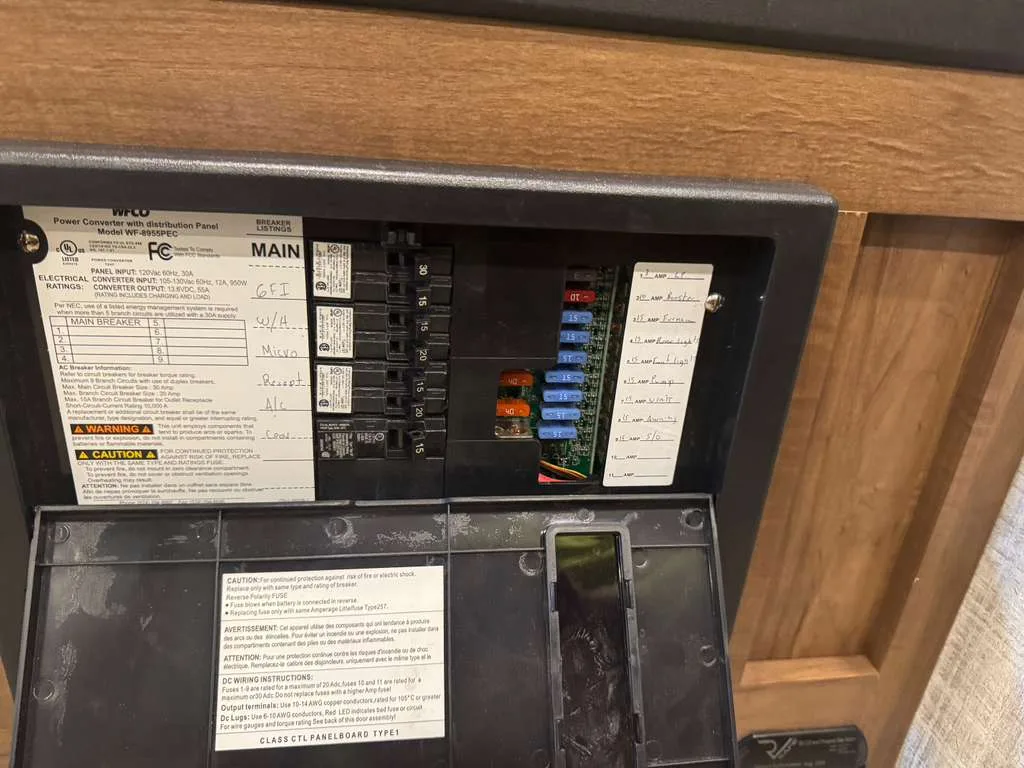
Understanding your RV's electrical capacity prevents overloads, tripped breakers, and potential fires. A 30-amp service at 120V provides approximately 3,600 watts total. A 50-amp service provides two 50-amp legs at 120V each, totaling approximately 12,000 watts. Here's what common RV appliances draw: a 13,500 BTU rooftop AC uses about 1,500 watts running (3,000+ starting), a microwave uses 1,000 to 1,500 watts, a water heater on electric uses 1,400 watts, a hair dryer uses 1,200 to 1,800 watts, and a coffee maker uses 800 to 1,200 watts. On a 30-amp hookup, you cannot run the AC and microwave simultaneously (3,000 watts total, already close to the 3,600 limit before accounting for startup surge). Add a water heater on electric and you're at 4,400 watts, guaranteed breaker trip. This isn't a flaw in your RV. It's a capacity limitation that requires load management.
Annual Professional Inspection
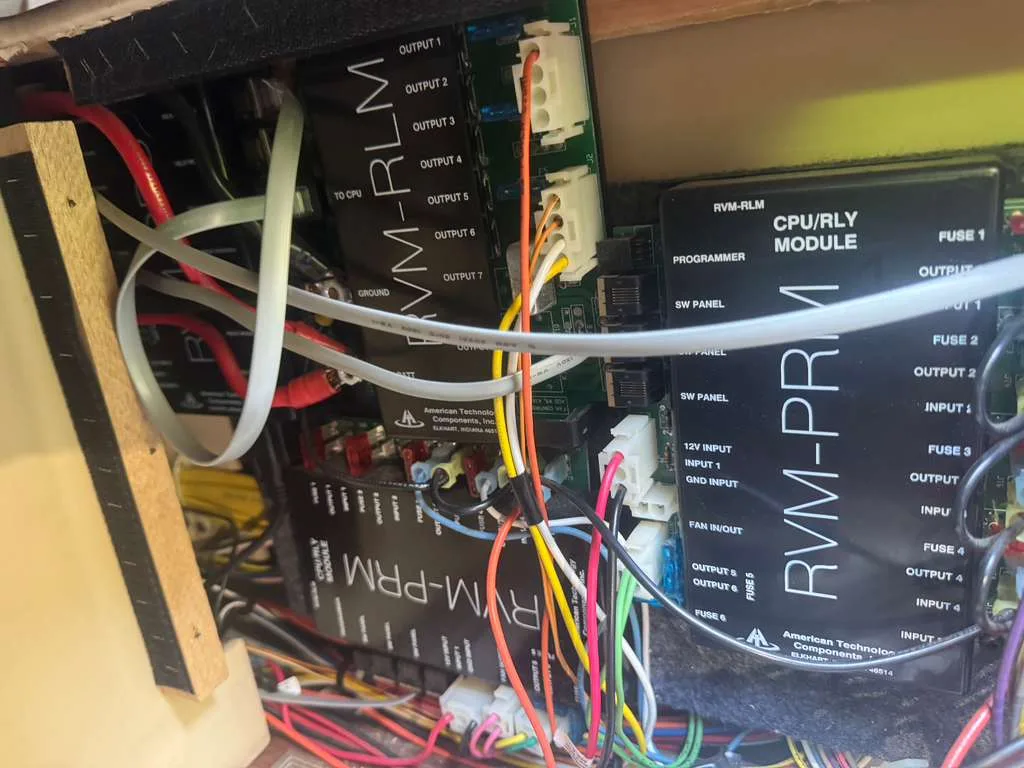
Even when everything seems fine, an annual electrical inspection finds problems before they become dangerous. In our experience, we find at least one concerning condition in roughly 60% of rigs we inspect that are more than 5 years old. Common findings include loose connections at the breaker panel that generate heat, corroded ground connections that reduce safety, burned contacts in the transfer switch, and converter cooling fans that have stopped working (a fire risk). The inspection covers every connection point, voltage testing at the panel under load, breaker operation, GFCI function, ground integrity, converter and inverter condition, and shore power cord and inlet. We charge $150 to $250 for a full electrical inspection. Call 772-677-1583 to schedule one.
Related Resources
- RV Electrical Systems service
- Surge Protection Installation
- RV Electrical Inspection
- Shore Power Repair
Questions about this topic? Call 772-677-1583 and ask for Danny. We're happy to talk it through before scheduling anything.