
Buying a used RV without a professional inspection is like buying a house without a home inspection. The seller might be honest, or they might not know about problems lurking behind walls and under floors. After performing hundreds of pre-purchase inspections across the Treasure Coast, Danny Vasquez has found deal-breaking issues in roughly 40% of rigs inspected. Some buyers saved thousands. Some walked away from money pits. Here's what a proper inspection covers and why it's worth every penny.
TL;DR
- Professional inspection costs $250 to $400, can save $5,000 to $15,000
- We find deal-breaking issues in roughly 40% of rigs inspected
- Moisture meter testing reveals hidden water damage sellers don't know about
- Check every system: electrical, plumbing, AC, roof, seals, propane, structure
- Written report with photos documents everything for negotiation
- Never buy based on cosmetics alone, it's what's hidden that costs money
- Call 772-677-1583 to schedule an inspection anywhere on the Treasure Coast
Why You Need a Professional Inspection
Sellers are motivated to sell, not to disclose problems. Some genuinely don't know about issues (water damage behind walls, corroded connections inside panels, propane regulators out of spec). Others know but hope you won't find out. A professional inspector works for you, not the seller. We have no stake in whether you buy the RV. Our job is to find every problem and give you a clear picture of what you're buying. In our experience inspecting used RVs across the Treasure Coast, roughly 40% have at least one significant issue that either needs immediate repair or would become expensive within the first year of ownership. The most common finding is hidden water damage that the seller doesn't even know about.
What We Check: The Full System Audit
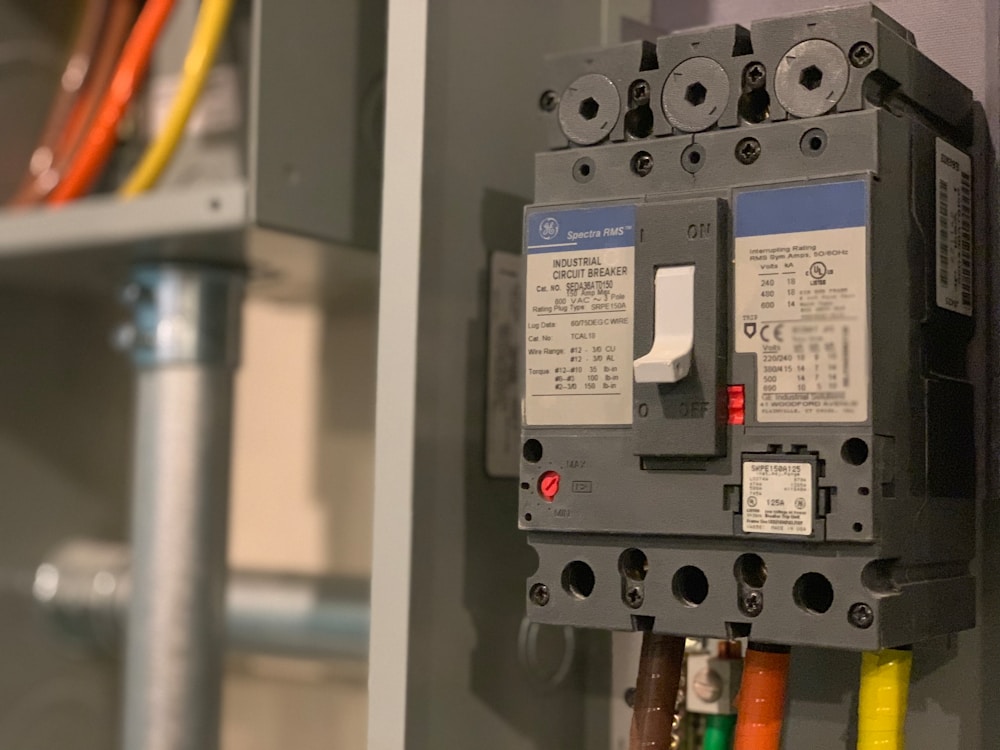
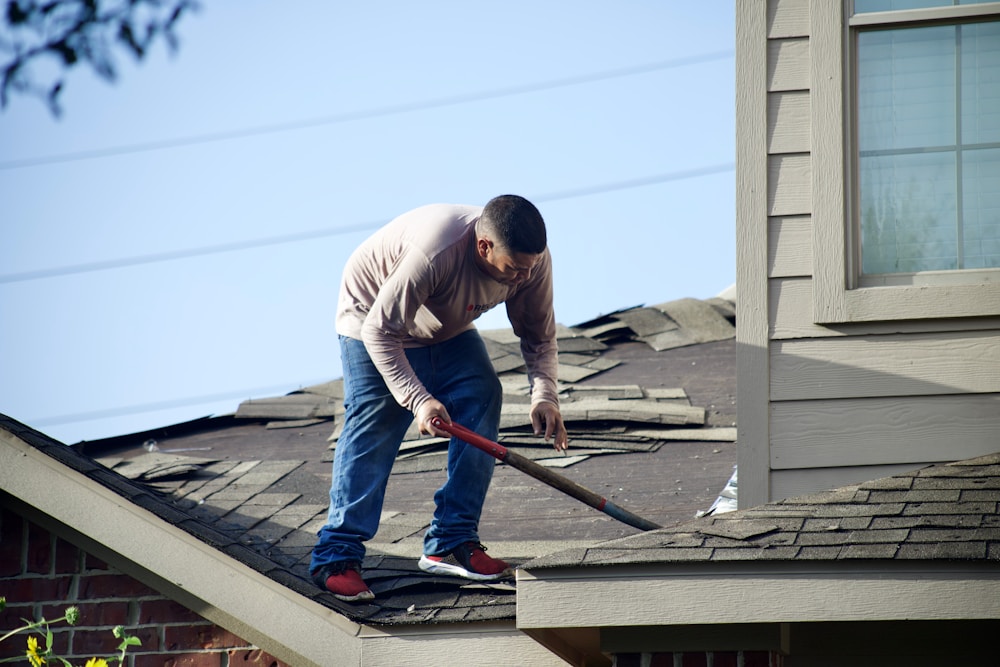
A comprehensive pre-purchase inspection covers every system in the RV. Roof and seals: we walk the entire roof, probe every seal, and use a pinless moisture meter to detect hidden water behind the roof membrane. This is where we find the most hidden damage. Electrical: we test voltage at the panel, inspect every visible connection, verify all breakers trip properly, test all GFCI outlets, check the converter output, and inspect the battery bank. Plumbing: we pressurize the water system and check every fitting, valve, and connection for leaks. We run the water heater on both gas and electric. We flush all toilets and run all faucets. AC: we measure the temperature differential (intake vs. output) at each AC unit. A healthy unit should produce an 18 to 22 degree drop. We check refrigerant pressure, inspect coils, and test the thermostat. Propane: electronic leak detection at every fitting per NFPA 1192. We test the regulator output pressure and verify the LP detector isn't expired. Slideouts and leveling: we extend and retract every slide, checking for binding, unusual noise, seal compression, and alignment. We run all leveling jacks through their full range.
The Moisture Meter: Your Best Friend
The single most valuable tool in a pre-purchase inspection is the pinless moisture meter. It reads moisture content through surfaces without making any holes. We take readings at every wall panel, floor section, ceiling area, and around every window and slideout base. Normal readings are 5 to 12% moisture content. Anything above 20% indicates active water intrusion. Readings between 12% and 20% are a yellow flag that warrants further investigation. We've found rigs that looked beautiful cosmetically but had moisture readings of 40 to 60% behind the walls. That's saturated wood actively growing mold and rotting. One inspection in Stuart revealed that a 2017 fifth wheel with a freshly painted interior was hiding $8,000 in water damage. The seller had painted over the water stains. Our moisture meter caught it in 5 minutes.
What the Report Looks Like and How to Use It
After the inspection, you receive a written report with photographs documenting every finding. Issues are categorized as safety concerns (must fix before use), significant repairs needed (fix soon), maintenance items (routine upkeep needed), and informational notes (good to know). You can use this report to negotiate the purchase price. If we find $2,000 in needed repairs on a $30,000 RV, you have documented justification to offer $28,000 or ask the seller to complete repairs before closing. Some buyers use our report to walk away from a bad deal entirely, which is the most valuable outcome of all. The inspection costs $250 to $400 depending on rig size. Call 772-677-1583 to schedule. We inspect at dealer lots, private seller locations, and storage facilities anywhere on the Treasure Coast.
Related Resources
Questions about this topic? Call 772-677-1583 and ask for Danny. We're happy to talk it through before scheduling anything.