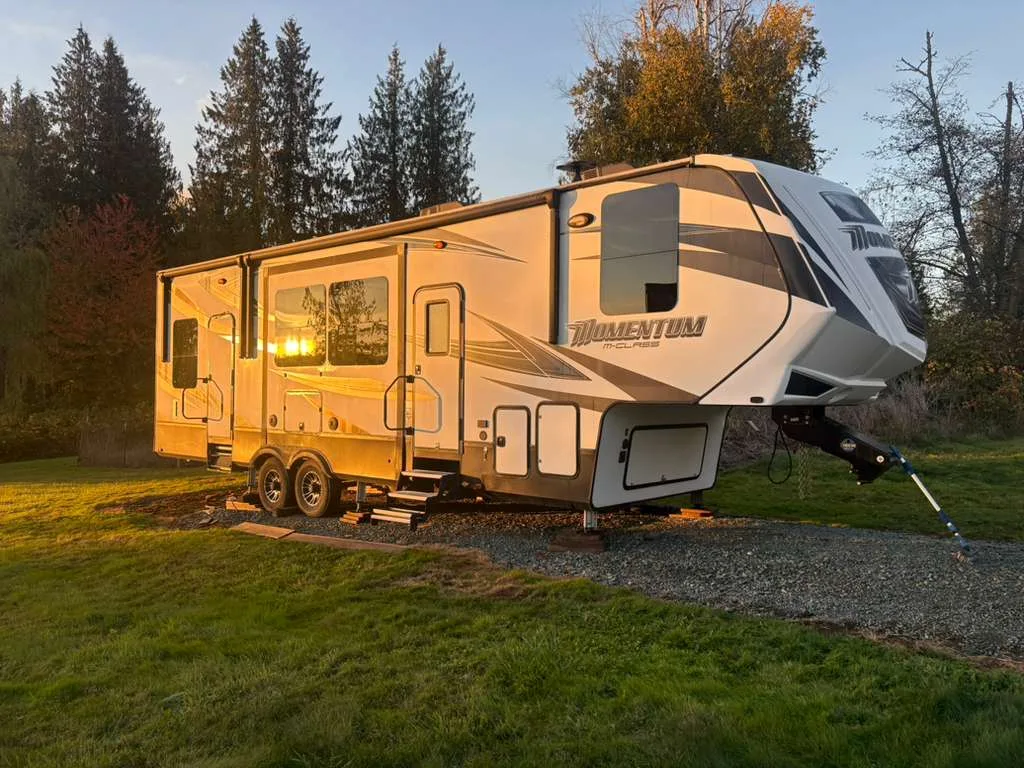
South Florida's UV index regularly hits 10 to 11 from April through September. That's classified as extreme by the World Health Organization. For your RV roof, it means the rubber membrane, sealant, and protective coatings are under constant attack from ultraviolet radiation that breaks molecular bonds in polymer materials. After 13 years of roof work across the Treasure Coast, Danny Vasquez explains exactly what UV does to your roof and how to fight back.
TL;DR
- Florida UV degrades roof materials 40-60% faster than northern states
- Inspect seals every 6 months, not annually
- Recoat with elastomeric coating every 3-5 years
- EPDM rubber turns chalky white when UV breaks it down
- A $800-$2,000 recoating extends roof life by 5-10 years
- UV protectant spray between recoatings slows degradation
- Call 772-677-1583 for a roof assessment
What UV Actually Does to Your Roof
Ultraviolet radiation breaks the polymer chains in EPDM rubber, TPO membranes, and sealant compounds. This process, called photodegradation, causes the material to lose flexibility, crack, chalk (turn powdery white), and eventually fail as a water barrier. On the Treasure Coast, a roof membrane that might last 20 years in Minnesota may show significant degradation in 8 to 10 years. Sealant compounds (even Dicor, the industry standard) are equally affected. UV causes sealant to harden, shrink, and pull away from the surfaces it's bonded to. This creates gaps at every roof penetration: vents, skylights, AC mounts, antenna bases, and screw holes. Each gap is a potential entry point for water.
The Recoating Defense
An elastomeric roof coating is your best long-term defense against UV damage. These coatings create a reflective, UV-resistant layer over your existing membrane that serves multiple purposes: blocks UV from reaching the underlying membrane, seals micro-cracks that have already formed, reflects solar radiation reducing interior heat by 10 to 15 degrees, and extends the usable life of your roof by 5 to 10 years. On the Treasure Coast, we recommend recoating every 3 to 5 years depending on the product and exposure. A full recoating costs $800 to $2,000 based on roof size. Compare that to a full roof membrane replacement at $3,000 to $6,000+. Between recoatings, applying a UV protectant spray (like 303 Aerospace Protectant) every 3 to 4 months adds another layer of defense. It takes 30 minutes to apply and costs about $15 per application.
Inspection Timing for the Treasure Coast
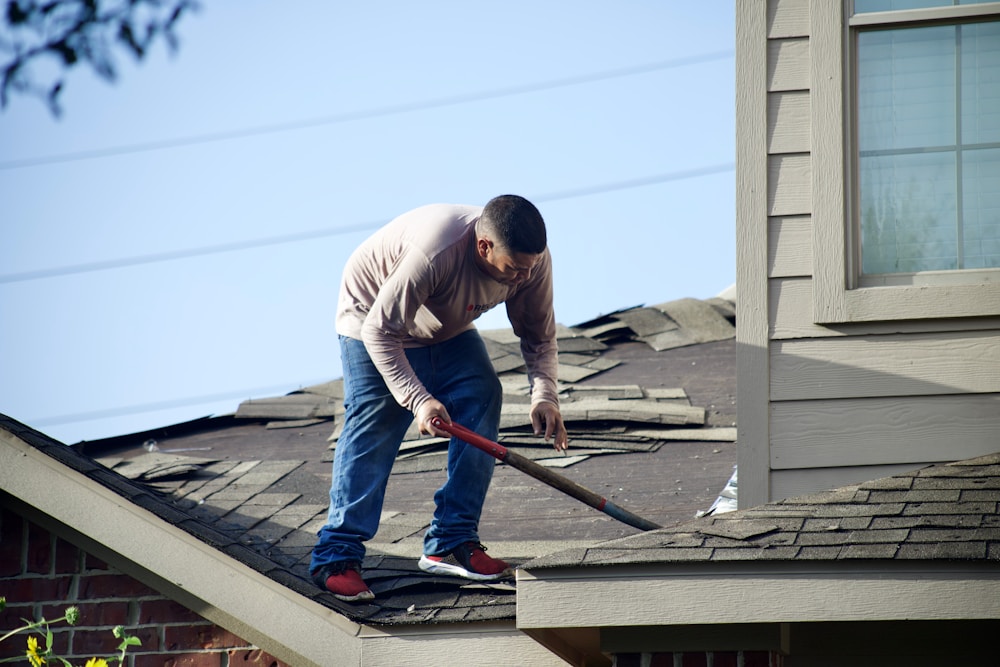
We recommend inspecting your roof in March (before the heavy UV season) and October (after hurricane season). The March inspection catches any winter damage and prepares the roof for the intense UV exposure ahead. The October inspection addresses any damage from summer storms and verifies that the seals survived the peak UV months. During each inspection, focus on sealant around AC units (the largest roof penetration and the most common failure point), vent fans and covers, skylights, antenna and satellite mounts, and front and rear cap seams. If the sealant at any of these points feels hard, cracked, or is pulling away from the surface, reseal it before the next rain. A spot reseal costs $150 to $300 and takes about an hour. Call 772-677-1583 to schedule a professional roof inspection.
Related Resources
Questions about this topic? Call 772-677-1583 and ask for Danny. We're happy to talk it through before scheduling anything.