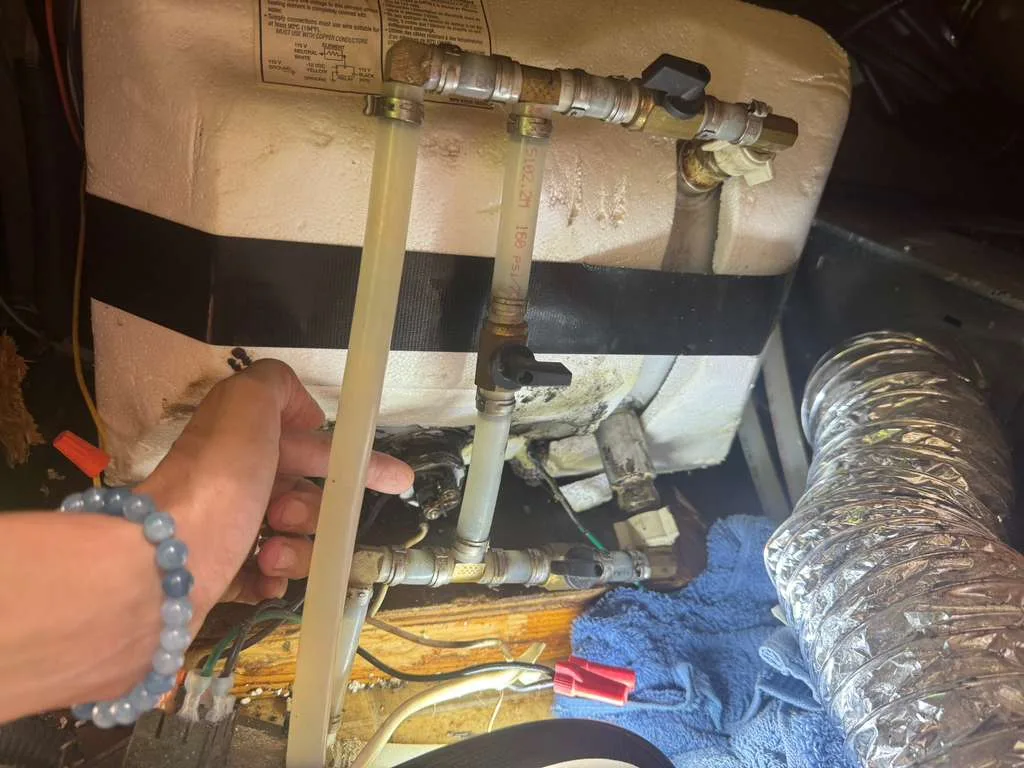
Water damage destroys more RVs than mechanical failure, accidents, or age combined. On the Treasure Coast, the combination of 55+ inches of annual rainfall, 75 to 90% average humidity, and UV-degraded seals creates conditions where a single failed seal can cause $5,000 to $15,000 in structural damage within a few months. After 13 years and over 4,100 repairs across St. Lucie, Martin, and Indian River counties, Danny Vasquez has seen hundreds of rigs with water damage that started as something a $200 repair could have fixed.
TL;DR
- Inspect roof seals every 6 months (not annually) in Florida
- Mold starts growing within 24 to 48 hours of water intrusion
- A $200 reseal prevents $5,000+ in structural damage
- Check around every vent, skylight, AC mount, and window
- Use a moisture meter to find hidden water behind walls
- Address ANY leak immediately, no matter how small
- Call 772-677-1583 for a professional moisture assessment
How Water Gets Into Your RV
Water intrusion almost always starts at a seal failure. Every component that penetrates your RV's roof or sidewall has sealant around it: AC units, vents, skylights, antenna mounts, marker lights, grab handles, and exterior molding. Over time, sealant dries out, cracks, and shrinks from UV exposure and thermal cycling. On the Treasure Coast, UV radiation is classified as extreme (index 10 to 11) for roughly 6 months of the year. This breaks down Dicor and other sealants 40 to 60% faster than in northern climates. Once water gets past a failed seal, it doesn't just drip straight down. It travels along the roof membrane, following gravity to the lowest point. It soaks into the plywood decking underneath. It wicks along fiberglass insulation. By the time you see a water stain on your ceiling, the water has often traveled 2 to 4 feet from the actual entry point, and the damage zone is much larger than the visible stain suggests.
The 48-Hour Mold Timeline
Florida's humidity turns a simple leak into a mold problem with alarming speed. According to the EPA's guidelines on mold remediation, mold can establish on wet organic materials within 24 to 48 hours when relative humidity exceeds 60%. On the Treasure Coast, outdoor humidity regularly sits between 75% and 90%, and the interior of a closed-up RV in summer can reach 85 to 95% humidity without air conditioning running. That means any water that gets inside your RV's wall cavities or under the floor has the perfect environment for rapid mold growth. We've opened up walls on rigs where the owner noticed a small water stain two weeks ago and found extensive black mold covering the back side of the wall panel, the insulation, and the wood framing. The stain was the size of a dinner plate. The mold was the size of a door.
The True Cost of Ignoring a Leak
Here's a real scenario from our work last year. A customer in Port St. Lucie had a 2019 travel trailer with a small drip around the front skylight. They noticed it during a heavy rain in June but figured they'd deal with it when things slowed down. By September, the ceiling panel was sagging, the wall on both sides of the skylight was soft to the touch, and there was visible mold around the window frame below. Our assessment revealed: the plywood roof decking around the skylight was rotted through, both wall studs flanking the skylight needed replacement, the fiberglass insulation in both walls was saturated and moldy, the interior wall panels needed replacement, and the skylight itself was cracked from UV exposure. Total repair cost: $4,800. The skylight reseal in June would have cost $250. That's a 19x cost multiplier for waiting 3 months.
The 6-Month Inspection Protocol
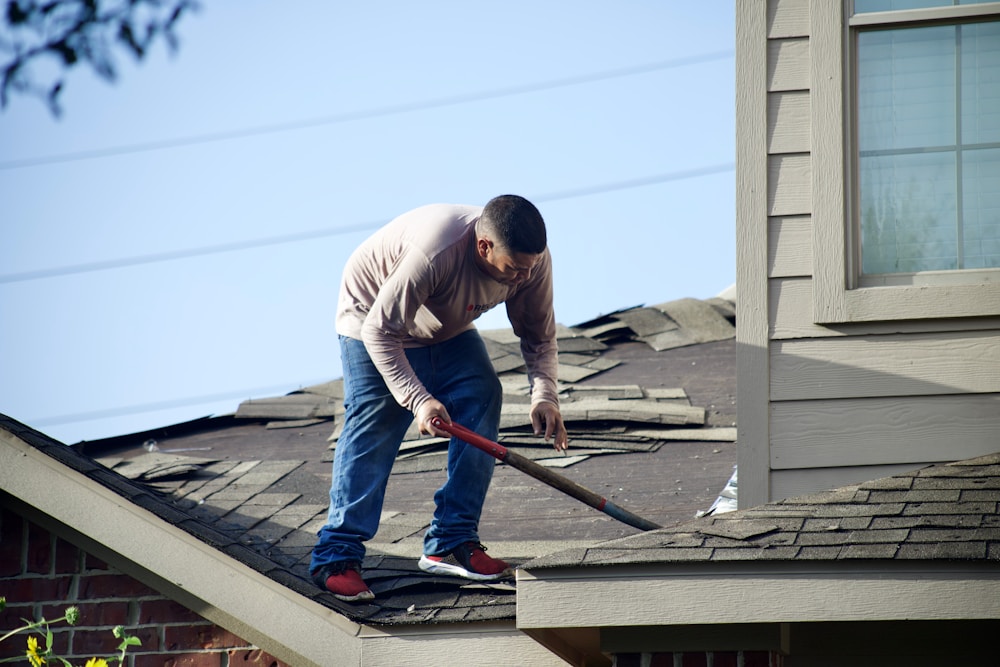
On the Treasure Coast, annual roof inspections aren't enough. RVIA recommends that RVs in southern coastal climates be inspected every 6 months. Here's the inspection protocol we recommend: Walk the entire roof carefully. At each penetration (vent, skylight, AC mount, antenna, screw, or bracket), press the sealant with your finger. Good Dicor sealant feels slightly flexible, like firm rubber. Bad sealant is hard, crumbly, cracked, or pulling away from the surface. Check every exterior window frame by running your hand along the bottom edge during rain. Any moisture means the seal is failing. Inspect slideout seals for compression. When the slide is extended, the wiper seals should show no gaps. Look under the RV at the underbelly for any sagging, moisture, or staining.
Window and Slideout Leaks
Roof leaks get the most attention, but windows and slideouts are equally common entry points on the Treasure Coast. Window seals dry out from UV exposure on the outside and humidity cycling on the inside. The thermal expansion and contraction of the frame (aluminum or fiberglass expanding in 95-degree days and contracting in 65-degree nights) gradually breaks the seal bond. We see window leaks most often on the south-facing side of RVs that are parked in one position for extended periods. Slideout seals are another major concern. The wiper seals and bulb seals that create the weather barrier between the slide room and the RV body degrade from UV on top and humidity underneath. When they lose compression, every rainstorm drives water into the wall cavity behind the slide. This area is particularly difficult to dry out once wet because there's no ventilation behind the slide mechanism.
Professional Assessment vs. DIY
You can and should do visual inspections yourself every 6 months. But professional assessment adds a critical capability: moisture meter testing. We use professional pinless moisture meters that read moisture content through the surface material without making any holes. This detects water trapped behind walls, under floors, and above ceilings that you can't see and may not feel until the damage is severe. We recommend a professional moisture assessment once per year, or immediately any time you notice water stains, soft spots, or musty smells. The assessment costs $200 to $350 and creates a baseline moisture map of your RV that we can compare against in future visits. Call 772-677-1583 to schedule.
Related Resources
Questions about this topic? Call 772-677-1583 and ask for Danny. We're happy to talk it through before scheduling anything.